

Ten Things Your Customs Broker Wants You to Know

Ten Things Your Customs Broker Wants You to Know Your paperwork has to be legible. Customs doesn’t see the actual paperwork unless there is an audit. In all other cases, the broker reads the documentation and transcribes it into a program, so it’s important that we can read everything clearly, even when the paperwork has been […]
Importing Endangered Species Products

Importing Endangered Species Products The Convention on International Trade in Endangered Species of Wild Fauna and Flora (CITES) is an international agreement that protects endangered species and regulates their import and export from participating countries. This includes specimens of any regulated species, alive or dead, whole or in parts, and any product made from a […]
HELP… My Shipment is being Examined!
HELP… My Shipment is being Examined! The worst has happened. Your shipment is being held for exam by customs. There are going to be delays and extra charges. You worked so hard to make sure you had thought of everything, and now this. You didn’t even do anything wrong! Why you? Why now? Why can’t […]
Your Guide to the Courier Low-Value Shipment Program
Your Guide to the Courier Low-Value Shipment Program If you’ve ever had a package delivered to you and received an invoice from your customs broker several days or weeks later, you’ve likely been a participant in the Courier Low-Value Shipment program. This is a program whereby CBSA allows participating courier companies to deliver goods valued […]
Importing a Vehicle into Canada

Importing a Vehicle into Canada Vehicles are more complex to import into Canada than other goods. Before you purchase a car or truck in the USA, it’s worth familiarizing yourself with the import process. These guidelines apply to any self-propelled vehicles, including heavy machinery. Your first step should always be to make sure the vehicle […]
How to Become a Non-Resident Importer
How to Become a Non-Resident Importer Every import shipment that crosses the border into Canada has a designated importer. The Importer of Record (IOR) is the party who is responsible for ensuring that imported goods comply with all customs and legal requirements and that all duties and taxes on the imported goods are paid. The IOR, or their […]
New Regulations for Composite Wood Products

New Regulations for Composite Wood Products The new Formaldehyde Emissions from Composite Wood Products Regulations (CANFER) were introduced on January 7, 2023. These regulations are designed to protect Canadian consumers by limiting potential exposure to formaldehyde, which is sometimes released by some composite wood products. CANFER lays out emission limits for formaldehyde from composite wood products and prohibits […]
Changing Liability for Casual Imports…

Changing Liability for Casual Imports… In the next year, CBSA (Canada Border Services Agency) will be changing how liability for duties and tax is assigned for imports of casual goods into Canada. While the date of implementation is not yet known, we do know that this will be a very big change with a lot of knock-on […]
Do I need a Certificate of Origin?

Do I need a Certificate of Origin? Canada has free trade agreements with forty-nine countries and extends preferential treatment to many others. Trade agreements often allow Canadian consumers to import goods without paying customs duty, but you will sometimes need to present a certificate of origin in order to take advantage of a trade agreement. […]
Just what is an HS Code?
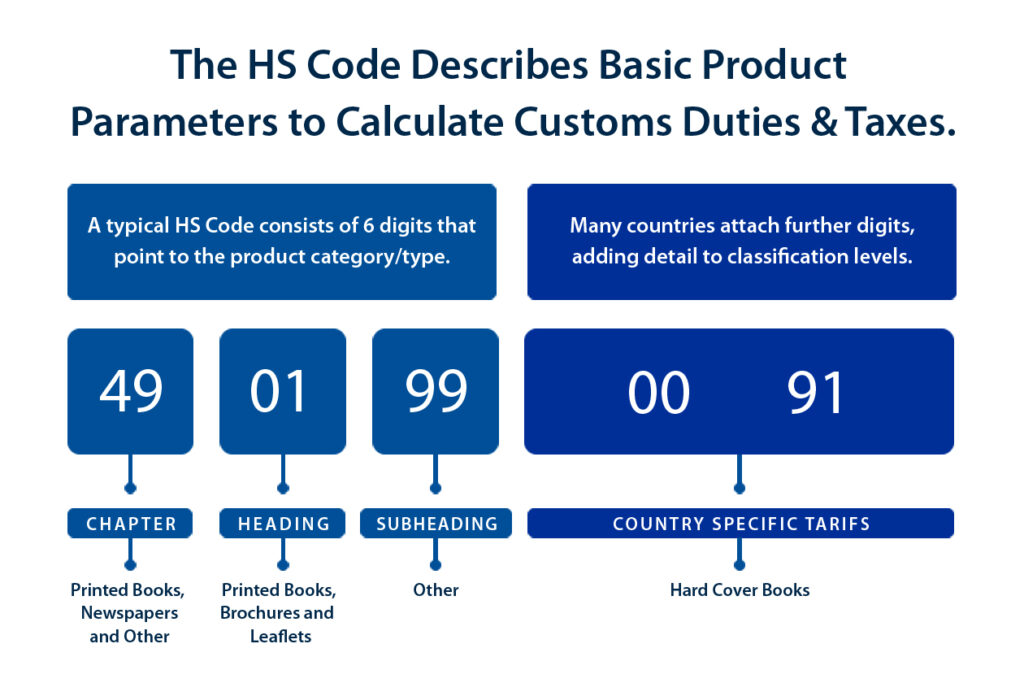
Just what is an HS Code? The Harmonized Tariff Schedule (HTS) is an international classification system by which any physical product can be assigned an identification number. The purpose of the HTS is to standardize the classification of goods across national boundaries, and the system has been adopted by almost every country in the world. […]